
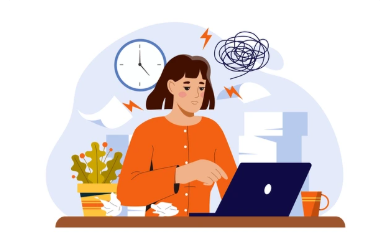
We all experience stress—it’s a part of life. But when that stress doesn’t go away, when it leaves you feeling emotionally drained, disconnected, and constantly exhausted, you might be facing something deeper: burnout. In today’s fast-paced world, the line between everyday stress and clinical burnout is increasingly blurred. Understanding that difference is key to protecting your mental wellbeing.
What is Stress?
Stress is the body’s natural response to pressure or demand. It can be short-term (e.g., a work deadline) or long-term (e.g., chronic financial worries).
Common signs of stress include:
-
Racing thoughts
-
Muscle tension
-
Trouble sleeping
-
Irritability
-
Increased heart rate
Stress isn’t always harmful—it can motivate us to act. But chronic stress can take a toll on your mental and physical health, increasing the risk of anxiety, depression, and cardiovascular disease.
What Is Burnout?
Burnout is a state of emotional, physical, and mental exhaustion caused by prolonged stress—especially in the workplace or caregiving roles.
According to the World Health Organization (WHO), burnout is an “occupational phenomenon” characterised by:
-
Exhaustion
-
Mental distance or cynicism about one’s job
-
Reduced professional efficacy
In other words, you’re not just tired—you feel numb, unmotivated, and disconnected.“Burnout is what happens when you try to avoid being human for too long.” — Michael Gungor
Stress vs Burnout: Key Differences
| Symptom | Stress | Burnout |
|---|---|---|
| Emotion | Over-engaged | Disengaged, detached |
| Energy | Hyperactive, tense | Exhausted, depleted |
| Motivation | Still present | Severely reduced or gone |
| Physical effects | Headaches, GI issues | Fatigue, sleep disruption |
| Mood | Anxious | Hopeless, cynical |
When Should You Seek Help?
If you’re experiencing any of the following, it’s time to speak to a mental health professional:
-
Persistent fatigue despite rest
-
Feelings of emptiness or meaninglessness
-
Crying easily or feeling emotionally flat
-
Loss of interest in work or relationships
-
Sleep issues or physical symptoms that won’t go away
Burnout can lead to clinical depression or generalized anxiety disorder if untreated. Therapy can help you explore the root causes and develop healthier coping strategies.
How Therapy Can Help
At Mindeology, we integrate powerful therapeutic approaches to help you reconnect with your sense of balance and purpose:
Mindfulness
Learn to observe your thoughts and emotions without judgment. Mindfulness can reduce rumination, improve focus, and regulate emotional responses—especially helpful when overwhelmed by burnout.
Research shows mindfulness-based interventions significantly reduce stress and prevent relapse in depression (Kabat-Zinn, 2003; Hofmann et al., 2010).
Clinical Hypnosis
Hypnotherapy helps access the subconscious to release internalized stress patterns, promote relaxation, and reprogram unhelpful beliefs. It’s particularly effective for managing chronic anxiety, fatigue, and sleep issues.
NICE guidelines support hypnotherapy for conditions like IBS and anxiety management.
Psychodynamic Therapy
Explore unconscious patterns rooted in early relationships and experiences that may contribute to burnout, perfectionism, or chronic self-criticism. Psychodynamic therapy supports deep, lasting change by addressing core emotional conflicts.
Neuro-Linguistic Programming (NLP)
NLP explores how language and mental frameworks shape your experiences. By identifying and shifting limiting beliefs, you can develop more empowering thought patterns and emotional resilience.
Takeaway
Burnout isn’t a badge of honour. If you’re feeling more than just stressed, it’s okay to pause and ask for help.
Need Support?
You’re not alone. If you think you might be experiencing burnout, book a free consultation today or visit our services page to learn more about how therapy can help.
Clinical References:
-
World Health Organization (2019). Burn-out an occupational phenomenon.
-
Maslach, C., & Leiter, M. (2016). Burnout in the workplace: A review of theory and measurement.
-
APA. (2017). Stress effects on the body.
-
Kabat-Zinn, J. (2003). Mindfulness-based stress reduction (MBSR).
-
Hofmann, S.G., et al. (2010). The effect of mindfulness-based therapy on anxiety and depression: A meta-analytic review.
-
Schaufeli, W.B., & Taris, T.W. (2014). A critical review of the Job Demands-Resources Model.